Air Freight vs Ocean Freight
Choosing the Right Shipping Method for Your Business

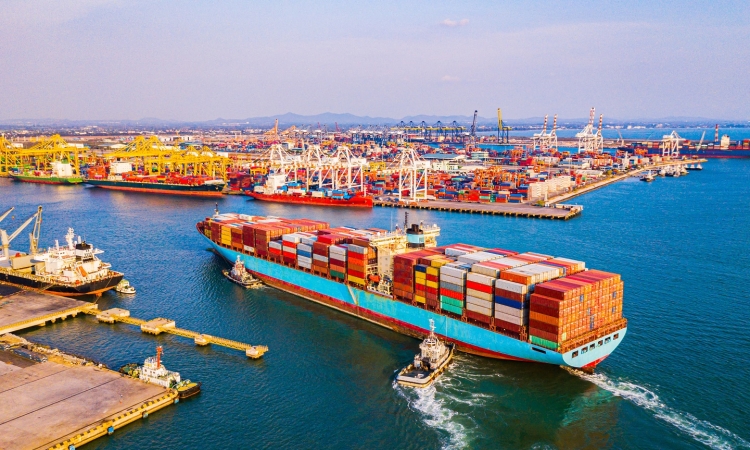

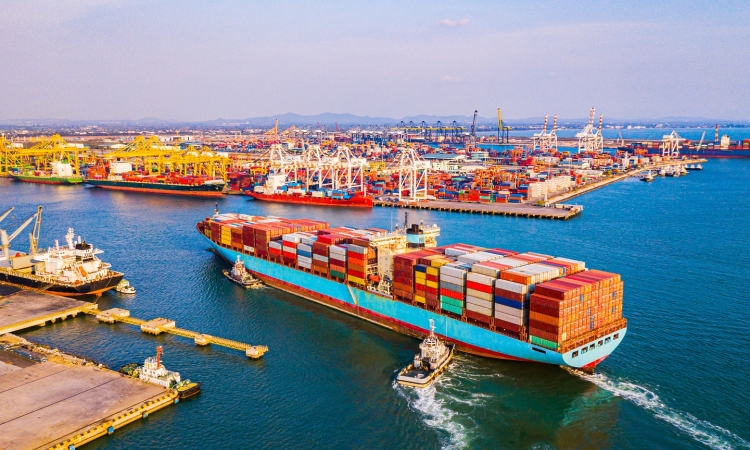
In global trade, choosing the right transportation mode is a strategic decision that directly affects cost, delivery speed, inventory planning, and customer satisfaction. Among all options, air freight and ocean freight stand out as the two most widely used methods for international shipping. Each offers distinct advantages—and trade-offs—that businesses must evaluate carefully.
At Oceanxi Wave Transport, we help companies navigate these choices by aligning shipping methods with business objectives, cargo characteristics, and market demands. This guide breaks down the key differences between air freight and ocean freight and explains how to select the most effective solution for your supply chain.
Understanding the Fundamentals
Air freight involves transporting goods by aircraft, offering unmatched speed and reliability for urgent or high-value shipments. Ocean freight, on the other hand, moves cargo via container ships and is the backbone of global trade, handling the majority of international shipments due to its cost efficiency and capacity.
The right choice depends on multiple variables: delivery timelines, budget constraints, product type, shipment volume, and risk tolerance.
Air Freight: Speed, Precision, and Reliability
Air freight is the fastest mode of international transportation, making it ideal when time is critical.
Key Advantages of Air Freight
Unmatched Transit Speed
Air freight can deliver shipments across continents in days rather than weeks. This speed supports tight production schedules, rapid market entry, and just-in-time inventory strategies.
High Reliability and Predictability
Airlines operate on fixed schedules with frequent departures, reducing the risk of delays. This predictability is vital for time-sensitive and mission-critical cargo.
Enhanced Security
Airports maintain stringent security controls, lowering the risk of theft or damage. Reduced handling time further protects high-value goods.
Lower Inventory Carrying Costs
Faster transit means less capital tied up in inventory, improving cash flow and responsiveness to market changes.
Typical Air Freight Use Cases
- Medical supplies and pharmaceuticals
- High-value electronics and components
- Fashion and seasonal retail goods
- Urgent spare parts and industrial components
Considerations and Limitations
While air freight excels in speed, it typically comes at a higher cost and has weight and size limitations. For large, heavy, or low-margin goods, air transport may not be economically viable.
Ocean Freight: Cost Efficiency and Global Scale
Ocean freight is the most economical and scalable option for international shipping, especially for large volumes.
Key Advantages of Ocean Freight
Cost-Effective for Bulk Shipments
Shipping by sea offers the lowest cost per unit, making it ideal for heavy, bulky, or high-volume cargo.
Massive Capacity and Flexibility
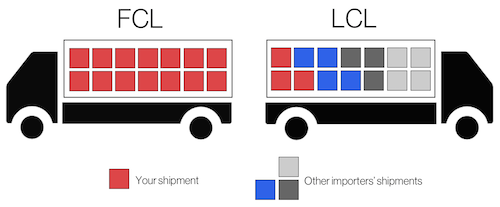
Container ships can carry thousands of containers in a single voyage. Options like Full Container Load (FCL) and Less-than-Container Load (LCL) provide flexibility for businesses of all sizes.
Global Reach
Ocean freight connects virtually every major port worldwide, enabling access to established and emerging markets.
Lower Environmental Impact per Unit
Per ton-mile, ocean freight generally produces fewer emissions than air freight, supporting sustainability goals.
Typical Ocean Freight Use Cases
- Consumer goods and retail inventory
- Industrial equipment and machinery
- Raw materials and commodities
- Furniture and household goods

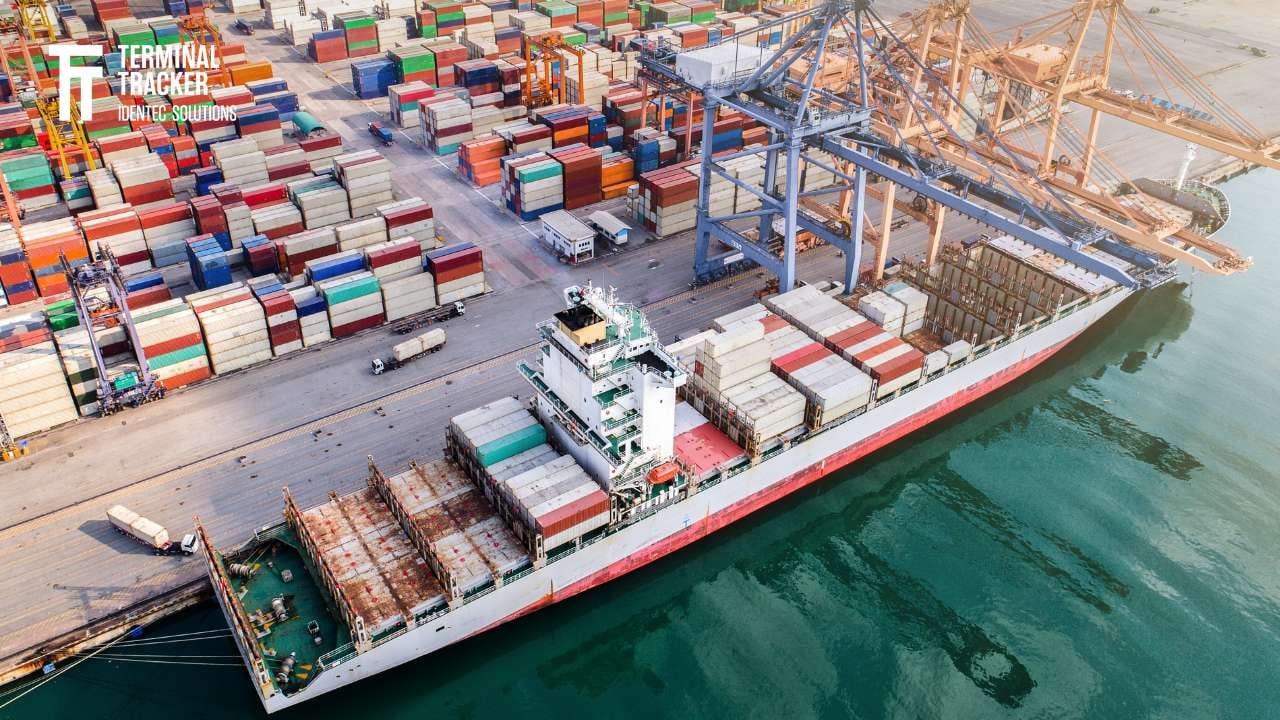

Considerations and Limitations
Ocean freight requires longer transit times and is more susceptible to port congestion, weather conditions, and schedule variability. Businesses must plan inventory and production cycles accordingly.
Key Comparison Factors: Air vs Ocean Freight
Transit Time
- Air Freight: 1–7 days (depending on route)
- Ocean Freight: 20–45+ days
Cost
- Air Freight: Higher cost per kilogram
- Ocean Freight: Lower cost, especially for large volumes
Cargo Type
- Air Freight: High-value, perishable, urgent goods
- Ocean Freight: Heavy, bulky, non-urgent cargo
Reliability
- Air Freight: Highly predictable schedules
- Ocean Freight: Reliable but subject to external delays
Environmental Impact
- Air Freight: Higher emissions per unit
- Ocean Freight: More environmentally efficient per unit
The Role of Multimodal Logistics
In many cases, the best solution is not choosing one mode over the other—but combining both. Multimodal strategies leverage the strengths of each method to balance speed and cost.
For example:
- Shipping bulk inventory by ocean freight while using air freight for urgent replenishment
- Using ocean freight for long-haul transport, then road or rail for inland delivery
At Oceanxi Wave Transport, we design integrated, multimodal solutions that optimize performance across the entire supply chain.
Customs, Documentation, and Compliance
Both air and ocean freight require meticulous documentation and customs coordination. Errors can cause costly delays regardless of the transport mode.
Our logistics professionals manage:
- Customs declarations and compliance
- Import/export documentation
- Regulatory coordination across borders
This end-to-end oversight ensures smooth clearance and uninterrupted cargo flow.
How Oceanxi Wave Transport Helps You Decide
Choosing the right shipping method is not a one-size-fits-all decision. Oceanxi Wave Transport evaluates your unique requirements—delivery deadlines, cargo characteristics, cost targets, and risk profile—to recommend the most effective logistics strategy.
We provide:
- Expert consultation and route planning
- Competitive air and ocean freight rates
- End-to-end shipment visibility
- Dedicated customer support
Our goal is to align logistics decisions with your business objectives, ensuring efficiency, reliability, and long-term growth.
Making the Right Choice for Your Business
Air freight and ocean freight both play essential roles in global logistics. The right option depends on what matters most to your business at any given time—speed, cost, flexibility, or sustainability.
By partnering with Oceanxi Wave Transport, businesses gain access to comprehensive expertise and integrated logistics solutions that remove complexity and deliver results.